Dental Emergency For Children: Signs You Should Never Ignore
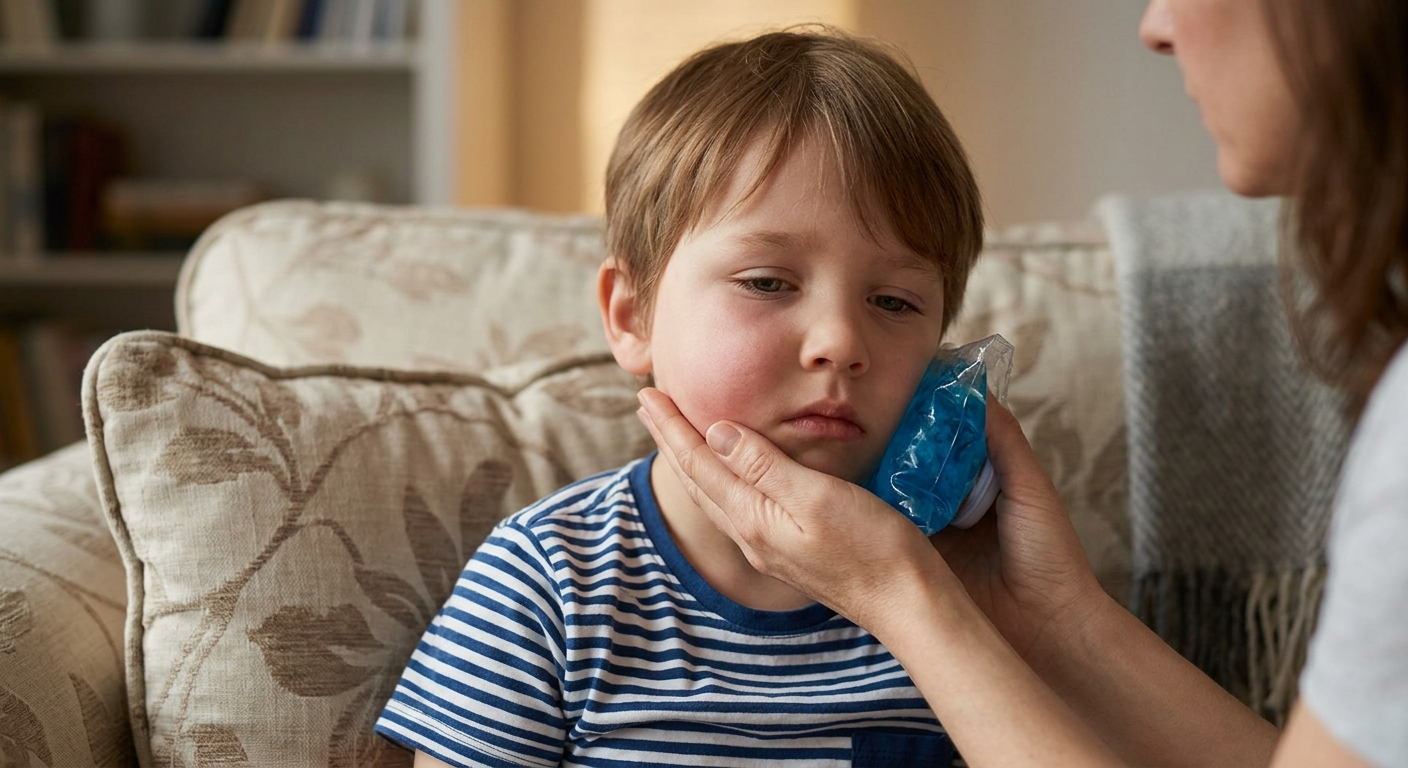
Children hurt their mouths more often than adults do. A simple trip or a collision during sport can lead to a dental injury that needs prompt attention. Some cases are obvious and dramatic. Others look minor but involve deeper damage that, if left unassessed, can cause infection or impair the development of permanent teeth.
Out of about 88,600 hospitalisations that could have been prevented due to serious dental problems in Australia, kids aged 5–9 seem to have the highest rates of admissions, mostly because they have more advanced dental decay and pulpal infections, according to the Australian Institute of Health and Welfare (AIHW)
This is exactly why early evaluation by a Children’s Dentist in Aspley reduces the risk of lasting harm and improves the chance of saving the tooth.
When To Seek Urgent care: signs of dental emergency
If you are noticing one or more of the following signs, make sure you consult a professional for the same:
Severe or Persistent Toothache
A toothache that wakes a child at night, stops them from eating, or continues despite home care usually indicates deeper inflammation or infection. This type of pain can reflect pulp involvement. Arrange an urgent appointment with a Paediatric Dentist in North Brisbane. Early treatment can relieve pain and prevent an abscess that would require more invasive intervention.
Facial Swelling or a Dental Abscess
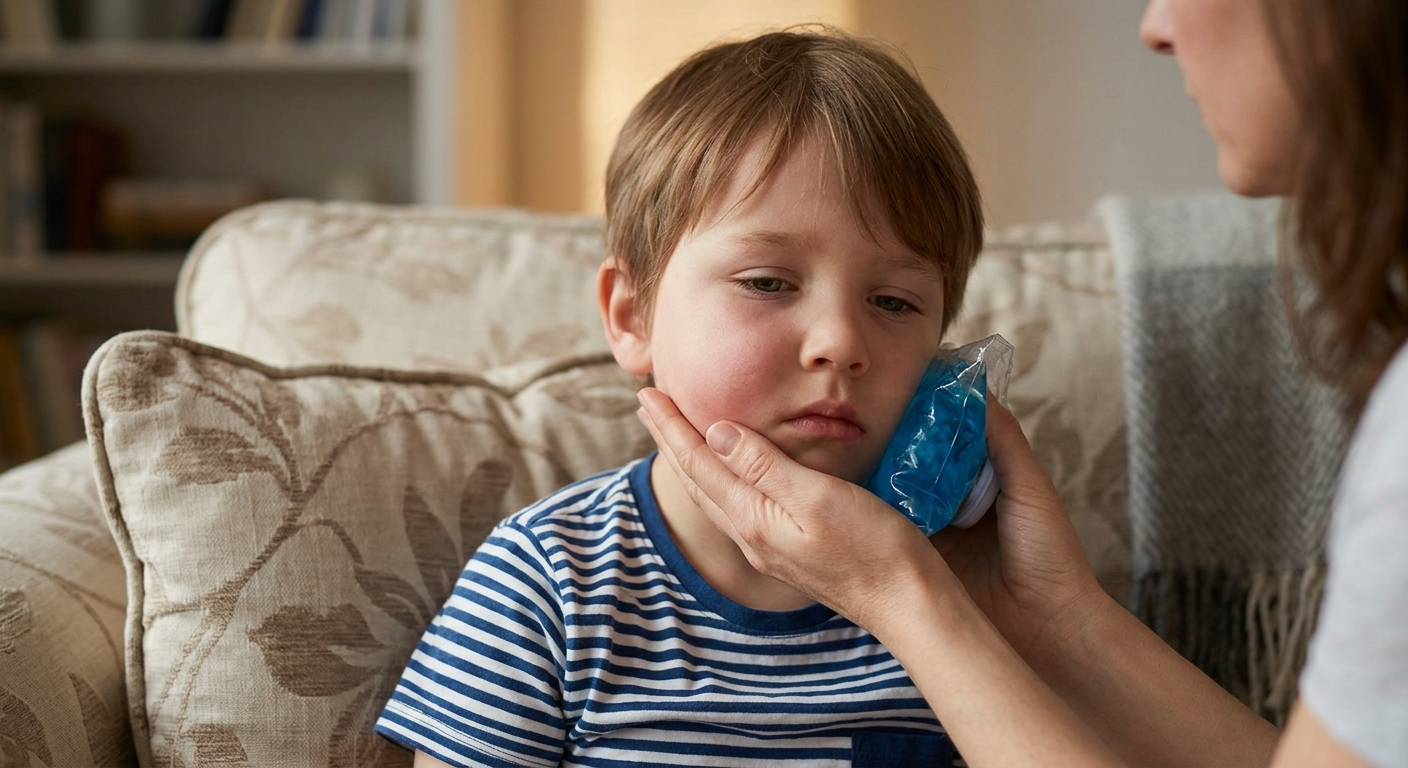
Swelling around the gum, jaw or cheek often signals an active infection. A small pus-filled bump near the tooth base is a common sign. If swelling is accompanied by fever, trouble swallowing or breathing, visit the hospital immediately.
For localized infections, contact a Kids Dentist Aspley without delay. Treatment may include drainage, antibiotics and definitive dental care to remove the source of infection.
Knocked-Out Permanent Tooth
A permanent tooth that has been completely displaced represents a time-critical emergency. If possible, pick up the tooth by the crown only and rinse gently under clean water for no more than a few seconds.
As per IADT guidelines 2020, if the tooth is clean and the child is cooperative, gently reinsert it into the socket immediately. If this is not possible, store it in cold milk or a tooth preservation solution and seek emergency dental care immediately at Children’s Dental Centre Brisbane
Loose, Pushed or Fractured Teeth
Teeth that are loose or moved after trauma may require stabilisation so they can heal. Fractures that expose the inner tissue (pulp) of the tooth carry a high risk of infection and pain. A Kids Dentist in North Brisbane can determine whether splinting, pulpal therapy or extraction is necessary. Where a primary tooth is structurally compromised, a Kid’s crown can preserve function and the space needed for the permanent tooth.
Persistent Bad Taste or Drainage
A persistent foul taste or pus draining from the gum usually means a chronic infection. Early referral to a Children’s Dentist in North Brisbane will limit spread and protect the developing dentition.
Lacerations and Bleeding That Will Not Stop
Cuts to the lips, tongue or cheek may accompany dental injury. If bleeding does not stop after gentle pressure for 10 to 15 minutes, seek urgent assessment. Deep lacerations or those affecting function may require suturing in a hospital setting.
.
Why Clinical Assessment Matters
Visible damage is only part of the story. Trauma can affect the root of the tooth, the periodontal ligament and the surrounding bone. Radiographs and a thorough clinical exam identify injuries that are not apparent on inspection alone. In many cases follow up over weeks or months is necessary because symptoms such as root resorption or pulp necrosis can appear later.
Restorative Options for Damaged Primary Teeth
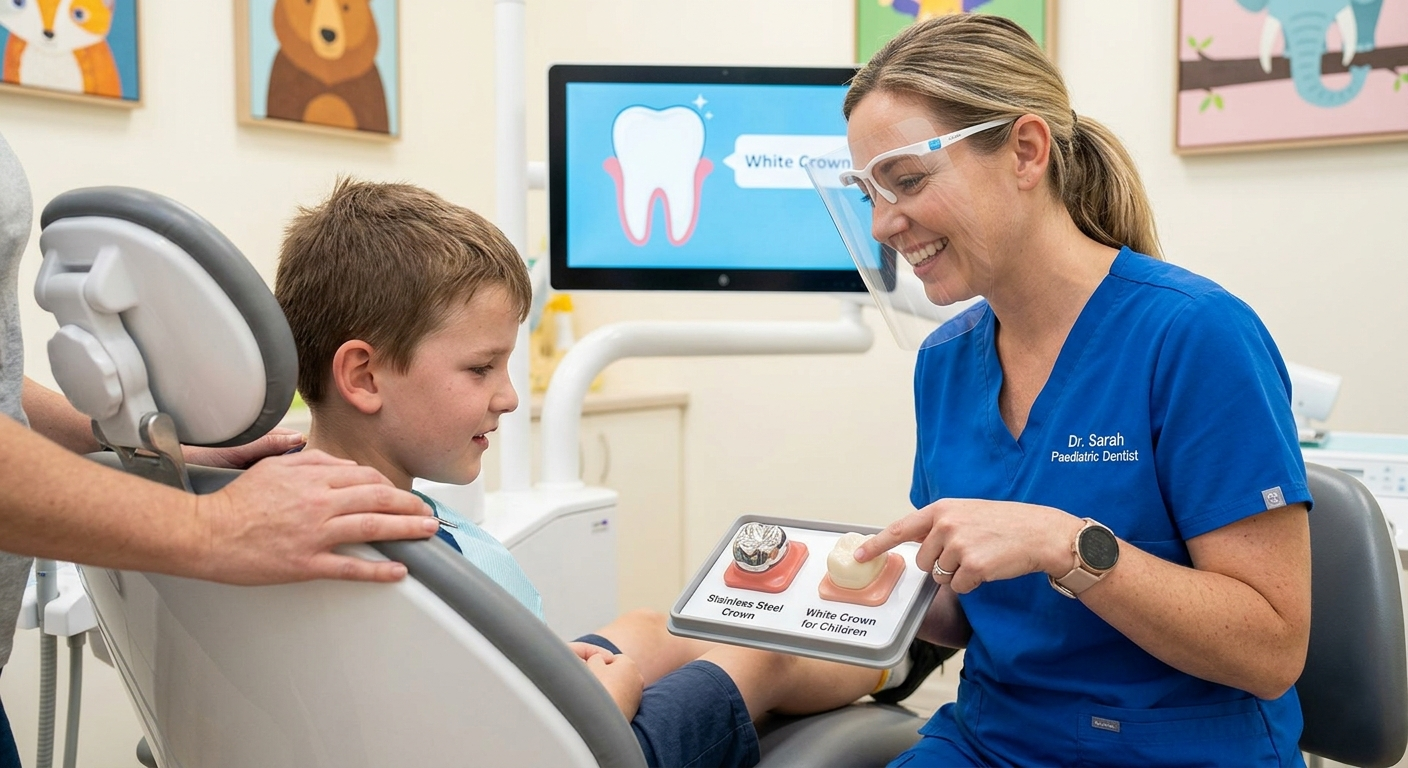
When decay or trauma causes extensive loss of tooth structure, full coverage restorations are often the most predictable solution. Stainless Steel Crowns are a well established option for posterior primary teeth because of their durability and reliability. The drawback is the metal colour. This is why we offer White Crowns for Children as well.
For front teeth, tooth-coloured White Crowns for Children provide an aesthetic alternative while restoring form and function. A paediatric dentist will recommend the most appropriate option based on the child’s age, the extent of damage and treatment goals.
Anxiolysis and Anaesthesia Considerations
Most emergencies can be handled with local anaesthesia, nitrous oxide and behaviour guidance. We are the experts at this! We also offer General Anaesthesia for Children in safe environments and with well trained paediatric specialists.
These kinds of procedures take place in accredited facilities with specialist anaesthetists and are done using strict safety protocols, even if it can seem routine.
Special Needs and Tailored Care
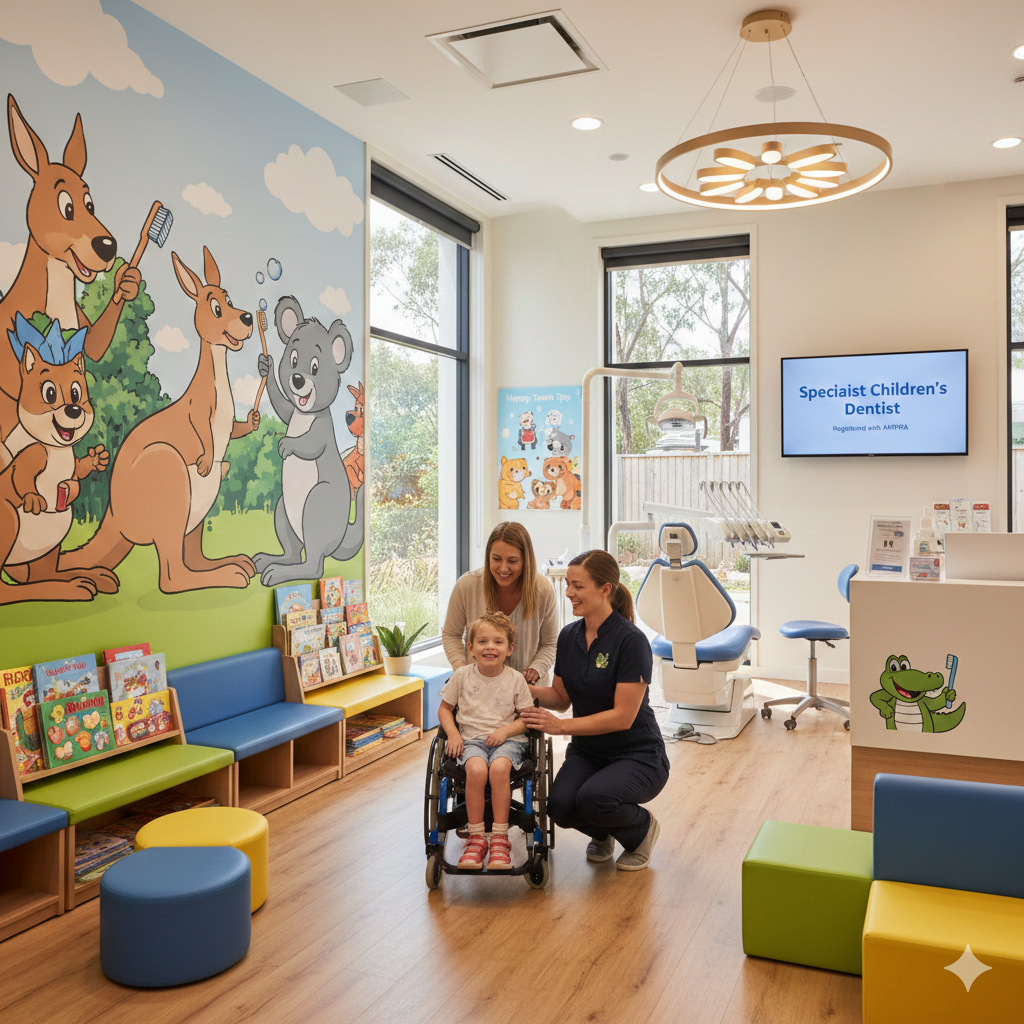
Children with developmental disorders, neurodiversity or complex medical conditions often need individualised care. Paediatric dental teams are trained to adapt the environment and the treatment approach. Families in North Brisbane often seek a Paediatric Dentist in North Brisbane because these specialists combine clinical expertise with behaviour management strategies appropriate for children with additional needs.
Immediate Steps for Oral Trauma
Apply firm, clean pressure to control bleeding with a cloth
For a knocked-out permanent tooth, handle by the crown only and store in milk if reinsertion is not possible.
Use a cold pack to reduce swelling.
Give age-appropriate doses of paracetamol or ibuprofen for pain relief.
Avoid hard foods and do not let the child suck through a straw if there is facial swelling.
Contact a Children’s Dentist in Aspley or your local emergency dental service for triage and urgent appointment options.
When to Contact a Specialist in North Brisbane
If you are in Aspley, the northern suburbs or anywhere really and your child has sustained dental trauma, severe toothache or facial swelling, contact a Kids Dentist in North Brisbane or a Paediatric Dentist in Aspley. Specialist teams assess the injury, take radiographs, provide immediate stabilisation and discuss restorative options such as stainless steel crowns or white crowns for children. They can also advise on how we can complete this treatment with the least amount of stress to your child. Early assessment leads to better outcomes. Acting quickly when a child shows the warning signs described here increases the likelihood of saving teeth, preventing complications and returning the child to normal activity with minimal disruption.
POSTS